
Why Diet Water Sells Even When the Claims Sound Absurd
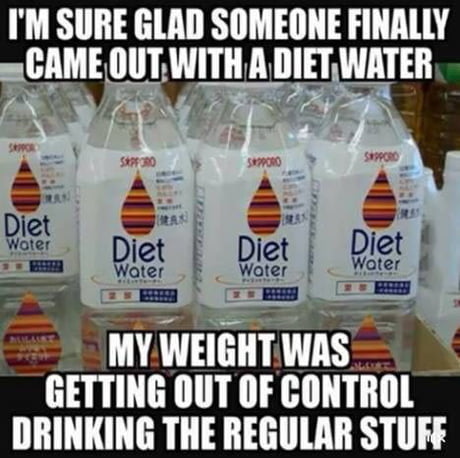
Diet water is the kind of product name that should collapse under its own stupidity. Water has no calories, no fat, no secret moral failing that needs correcting. And yet the broader functional beverage market, wellness branding machine, and weight-loss industry have spent years teaching shoppers to see ordinary hydration as an unfinished product—something that can be upgraded, optimized, and sold back at a premium.
That’s how consumer confusion takes hold. A bottle doesn’t have to promise miracles outright. It just has to suggest a little metabolic edge, a little appetite help, a little “better choice” halo. Before long, people aren’t buying a drink. They’re buying relief from the feeling that they should be doing more.
Water Was Never Enough for the Wellness Aisle
The modern grocery store is full of beverages that don’t simply quench thirst. They perform. They promise energy, focus, immunity, gut health, calm, beauty, recovery, and sometimes weight management—all from a bottle you can grab next to the checkout cooler.
That category has a name: functional beverages. It includes sports drinks, energy drinks, enhanced waters, ready-to-drink teas, kombucha, fortified fruit drinks, and a growing list of sparkling and still beverages spiked with vitamins, caffeine, botanicals, probiotics, adaptogens, or vague “wellness” ingredients. The pitch is familiar: this isn’t just a drink, it’s a health tool.
But the evidence often doesn’t keep up with the branding. Reviews of functional beverages have repeatedly found that many of these products are marketed around supposed benefits that either aren’t proven in meaningful clinical terms or are too modest to justify the certainty implied by the label. Time, in a close look at vitamin-enhanced waters, made the basic point clearly years ago: if you eat a normal diet, there’s a good chance you don’t need your water to moonlight as a supplement.
And that’s the trick. Once a category teaches shoppers that hydration alone is incomplete, almost any add-on can be framed as self-improvement. A few vitamins. A tea extract. A whisper of appetite control. A “slim” formulation. A package design in soft pastels or aggressive neon. Suddenly even the most absurd concept starts to feel oddly familiar.
Look, nobody needs “diet water” in any literal sense. But as a marketing concept, it fits perfectly inside a retail culture that has spent two decades turning beverages into wearable identities.
The Label Doesn’t Need to Lie to Mislead
One reason these products keep appearing is that U.S. labeling rules leave plenty of room for implication. A drink may not be able to legally claim it treats obesity or causes significant weight loss without inviting regulatory trouble. But it can flirt with the idea. It can talk about metabolism, energy support, active lifestyles, clean ingredients, botanicals, balance, or cravings. It can use names, colors, and package shapes that do half the work before you ever read the back panel.
That matters because consumers don’t shop like lawyers. They shop quickly, visually, and while half-distracted. A bottle placed between electrolyte drinks and vitamin waters can borrow credibility from the whole shelf. If it says “diet,” “fit,” “lean,” or “light,” many people will infer a health effect whether or not the science is thin.
And sometimes the formula does contain something active—caffeine, green tea extract, fiber, or ingredients associated with appetite suppression or digestive effects. That’s where the confusion gets worse. A product may technically do something, but not in the way the average buyer imagines. If a drink’s “results” come from caffeine jitters, water loss, or a laxative effect, that isn’t wellness. That’s a cheap stage trick.
This is, frankly, a bad idea dressed up as innovation.
The old enriched-water boom showed the pattern early. Products were sold as smarter than plain water, often with added vitamins and wellness claims that sounded impressive in isolation but looked much weaker under scrutiny. NutraIngredients was asking whether enriched waters were mostly a gimmick back in 2004. Twenty years later, the packaging has improved, the fonts are cleaner, and the promises are more emotionally intelligent—but the basic hustle hasn’t changed much.
What People Are Really Buying
Consumers aren’t stupid. They’re tired.
That’s the part the wellness industry understands better than most critics do. People buy these products because weight control is hard, daily routines are messy, and the fantasy of effortless improvement is incredibly attractive. A bottle that hints you can offset a few bad habits without overhauling your life has obvious appeal. Who wouldn’t want the easier story?
Recent reporting on weight management trends has shown a clear shift away from old-fashioned “dieting” language toward a broader wellness frame—less shame, more balance; less punishment, more self-care. That sounds healthier, and in some ways it is. But it also gives marketers a wider canvas. If consumers say they want holistic wellness rather than strict weight loss, brands can smuggle the same old body anxieties into softer language.
So a drink no longer has to scream “lose 10 pounds fast.” It can whisper about feeling lighter, cleaner, more in control. It can promise support rather than transformation. It can imply that your body is almost doing the right thing already, if only you’d buy the right bottle.
Still, the psychology runs deeper than simple vanity. Weight-loss products often sell a sense of virtue. They tell buyers they’re being disciplined, informed, proactive. And in a culture where thinness still carries status—even as the language around it gets more polished—that signal matters. The rise of prescription weight-loss drugs has only sharpened this dynamic. When body size becomes even more tightly linked to money, access, and self-optimization, every adjacent product gets to borrow some of that aura.
And that includes beverages that are, in reality, just fancy water with a story attached.
The Functional Beverage Boom Thrives on Blurred Lines
The beverage business has been chasing this model because it works. As soda sales softened and shoppers became more suspicious of sugar-heavy drinks, brands moved hard into sparkling waters, enhanced waters, energy-adjacent products, and drinks framed around specific benefits. Food industry reporting has tracked that shift for years: probiotics, adaptogens, vitamins, nootropics, botanicals, “clean energy,” beauty ingredients, stress support. The bottle is now a supplement aisle with carbonation.
That blur between beverage and medicine is where absurd claims flourish.
One day it’s a vitamin water. Next it’s a metabolism water. Then it’s a calming water, a focus water, a gut water, a beauty water. The category keeps extending because the logic is seductive and infinitely expandable: if one ingredient can be associated with one desirable outcome, why not build a drink around the association and let branding fill in the gaps?
But there’s a basic problem here. Most people don’t need every routine object in their life to double as treatment. Water doesn’t need a mission statement. A drink doesn’t become scientifically impressive because the label uses the language of optimization.
And buried in all this is a more uncomfortable truth: many shoppers know the claims are a bit silly, but they buy anyway. Not because they fully believe, but because they want to believe just enough. That half-belief is the sweet spot of modern wellness marketing. It doesn’t require trust. It only requires hope.
What a Smarter Consumer Standard Would Look Like
There’s nothing wrong with flavored water, fortified drinks, or beverages designed for specific cases—say, athletes replacing electrolytes after intense exercise. The problem starts when ordinary products are wrapped in medicinal suggestion without clear, meaningful proof. If a drink contains sugar, stimulants, or additives, shoppers should be able to tell quickly. If a claim rests on weak evidence, the packaging shouldn’t be allowed to coast on implication alone.
That means better enforcement, yes, but also a more skeptical consumer culture. People should get in the habit of asking a blunt question mid-purchase: what is this product actually doing that plain water, food, sleep, or coffee wouldn’t already do better and cheaper?
The data tells a different story than the branding. For most healthy adults, plain water remains the best hydration tool around. Not glamorous. Not “enhanced.” Just effective.
So the next wave of absurd health products will almost certainly keep coming, because the incentive is obvious. Selling water is a low-margin business. Selling identity, aspiration, and metabolic wishful thinking in a bottle—that’s where the money is. The uglier truth is that as long as people feel overwhelmed by health advice and dissatisfied with their bodies, someone will keep slapping salvation onto a label and charging extra for it.
And unless regulators get tougher and shoppers get harder to fool, the wellness aisle will keep inventing new ways to make basic human needs sound inadequate.